Minor version of Yii Cache Library - APCu Handler package was released.

Yii is a fast, secure, and efficient PHP framework.
Flexible yet pragmatic.
Works right out of the box.
Has reasonable defaults.
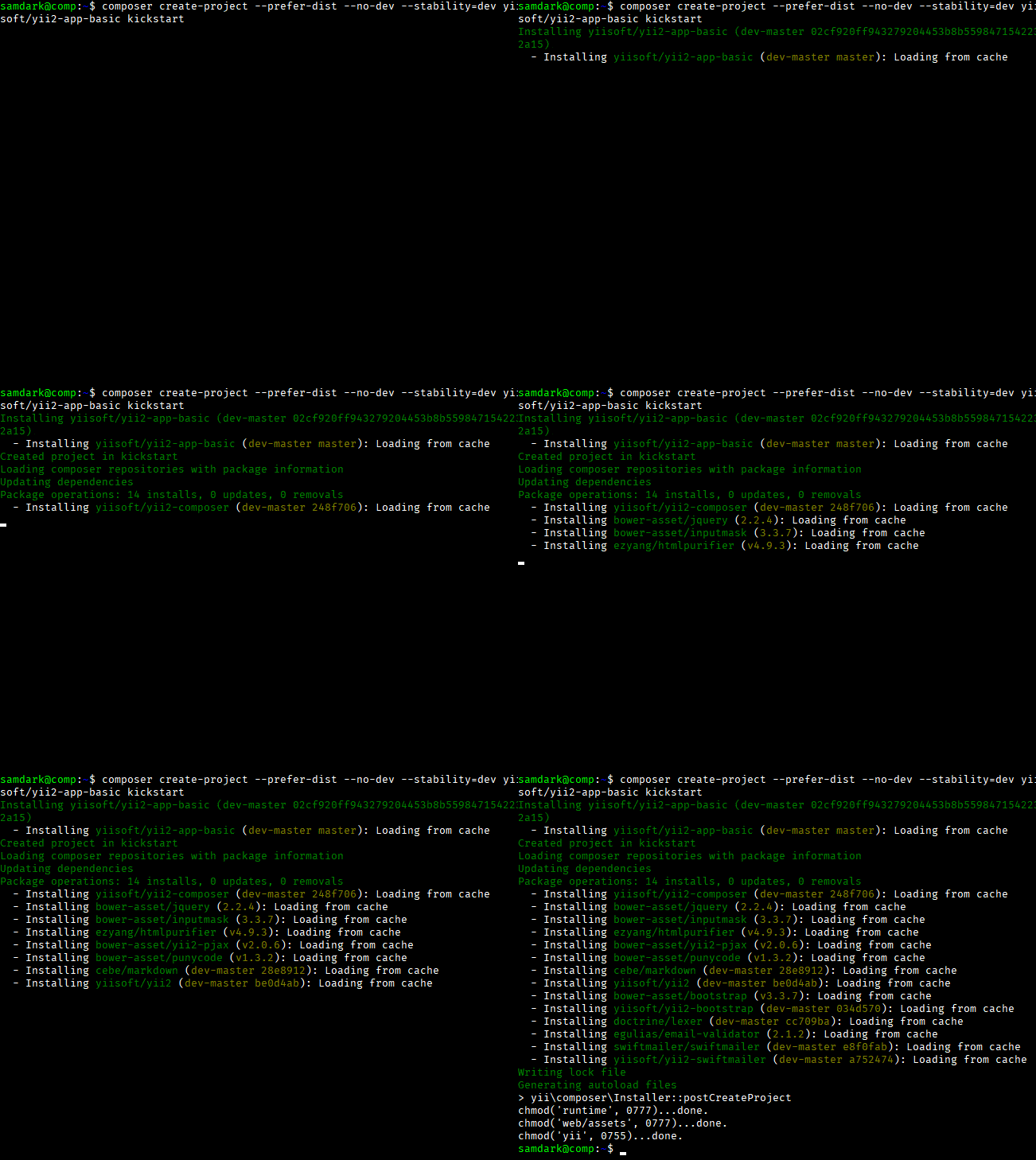
The primary way of installing Yii is by using Composer.
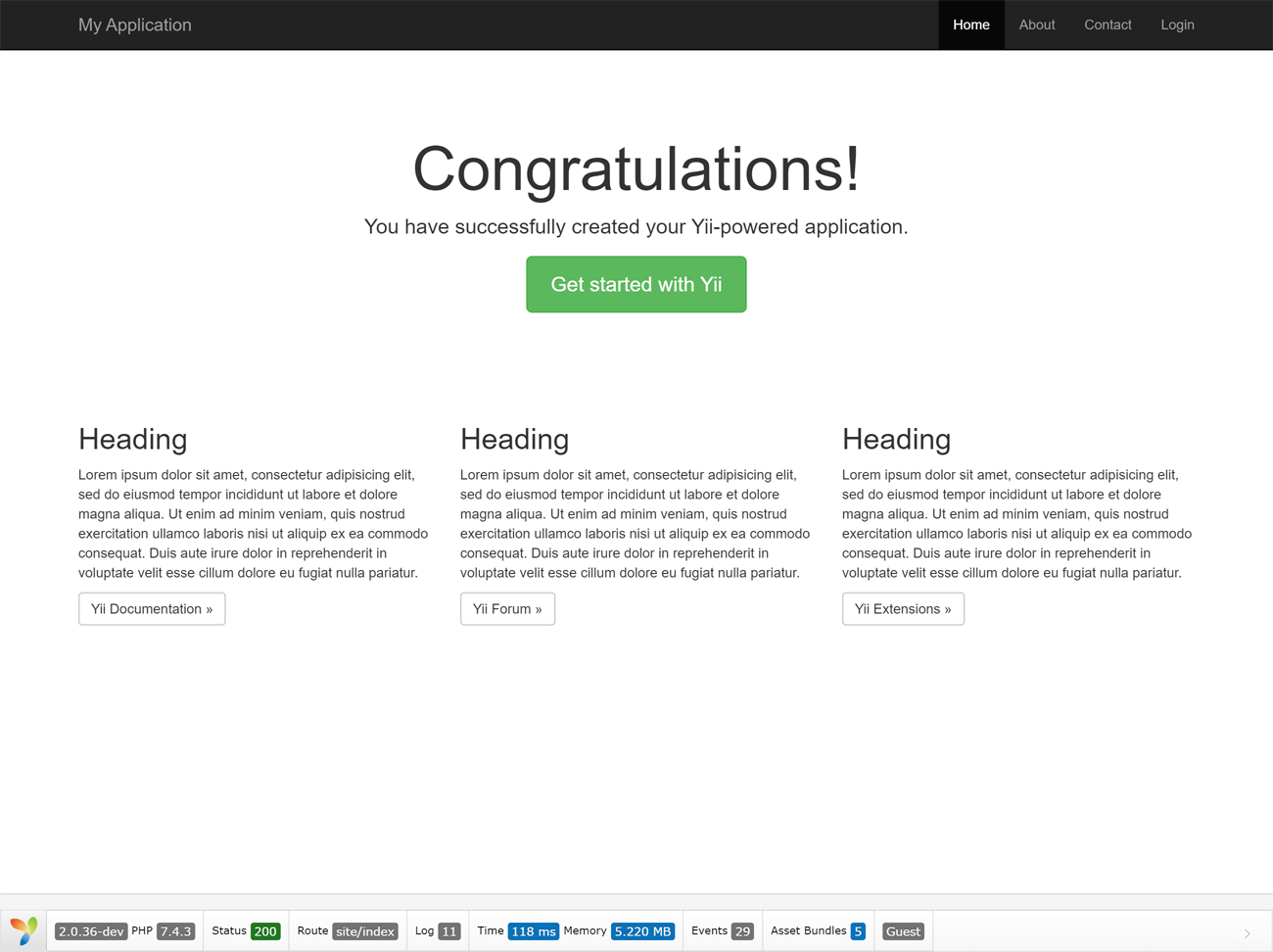
You get a nice template which includes:
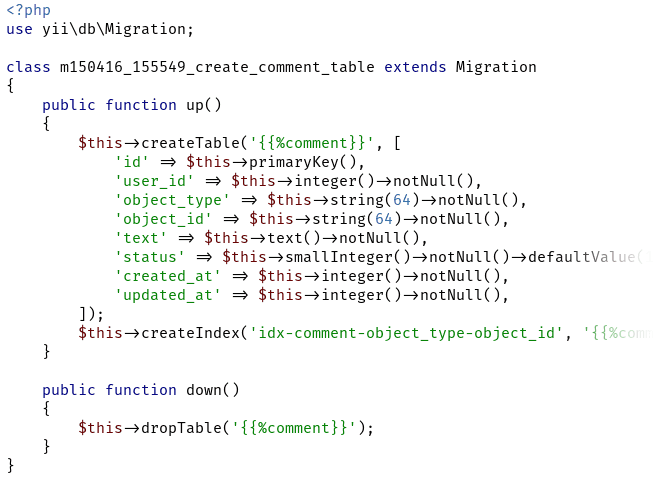
While Yii can virtually eliminate most repetitive coding tasks, you are responsible for the real creative work. This often starts with designing the whole system to be built, in terms of some database schema. The best way to do this is by using migrations.
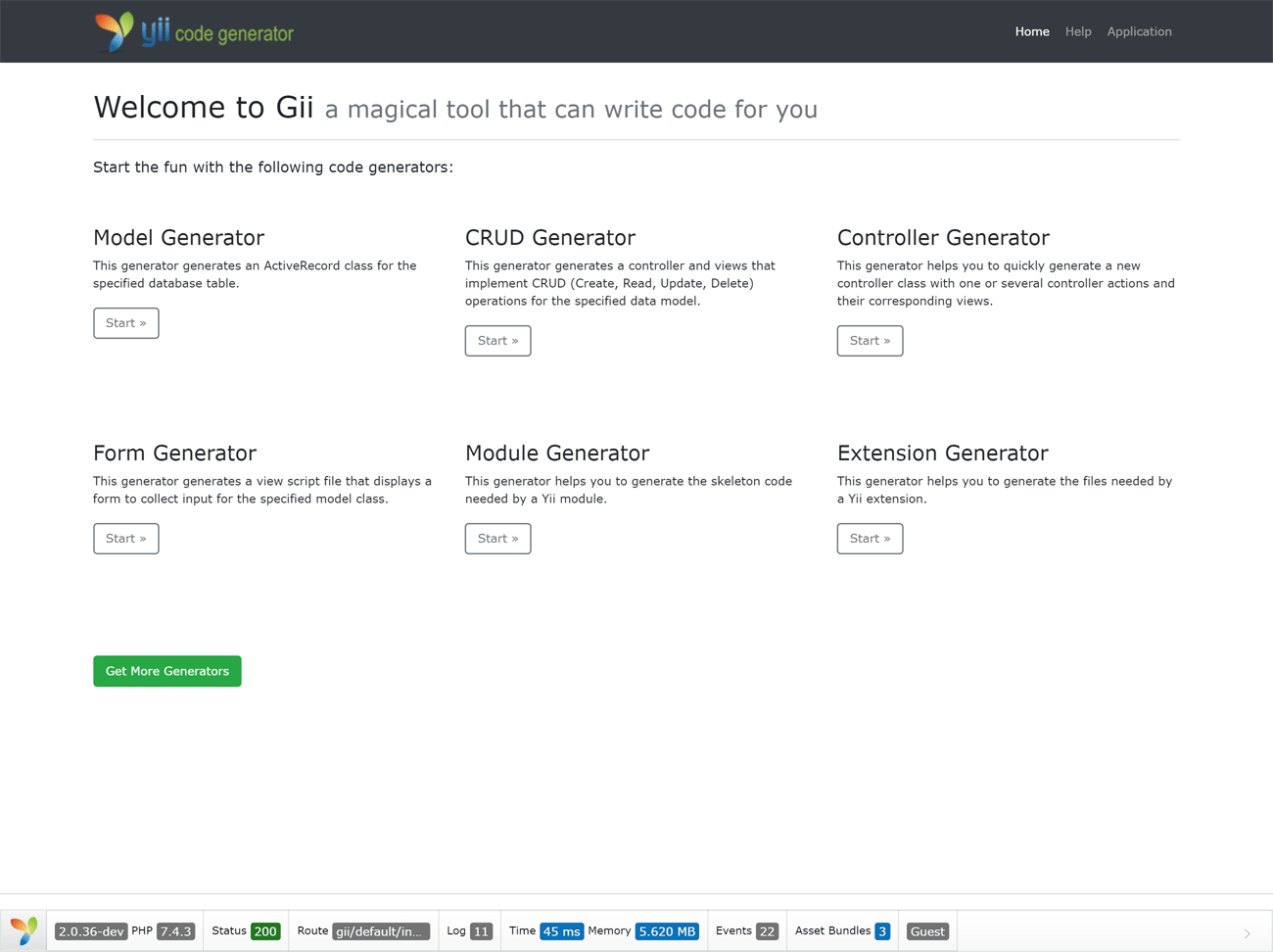
After it's done, use the code generator to generate models, CRUD and more.
Then customize the generated code to suit your needs.



Minor version of Yii Cache Library - APCu Handler package was released.
Yii Validator package was updated with the following enhancements and new features:
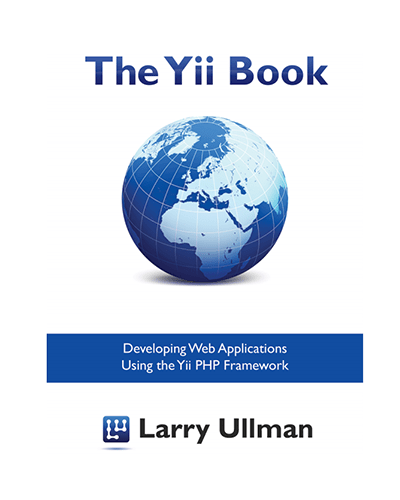
Covers everything from very basics to advanced topics. Explanations are very clear. Additionally to the guide-style chapters there are two complete examples. The second edition (for Yii 2.0) is not finished yet, but buyers can download updates as they are available.
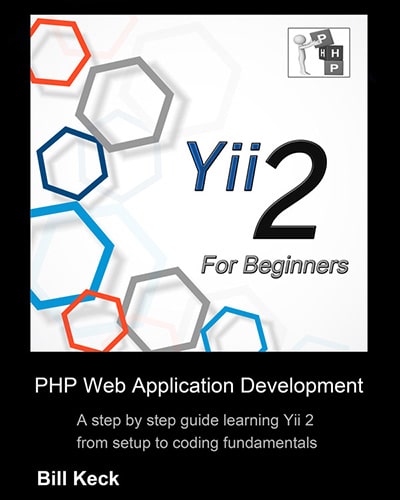
It is a step by step introduction to the framework, which is based around creating a reusable template that can serve as the basis for your projects.
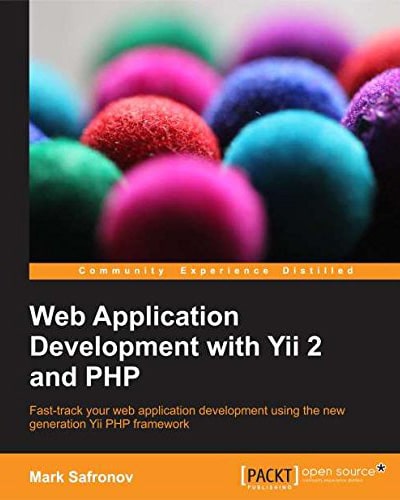
Based around implementing a real world CRM following many best practices. It is assumed that reader is experienced enough in OOP so don't expect OO-basics explained.
The book is a set of individual independent recipes. Each recipe shows how to do something useful with Yii explaining why it's done, how it's done, why it works and how exactly it works.
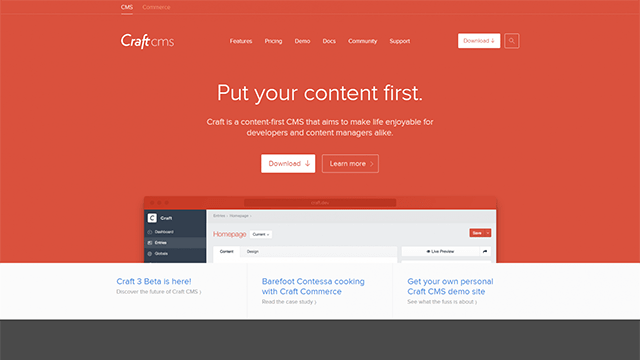
Choosing the right PHP framework was a vital decision when we set out to build Craft. With its elegant, modular architecture, rich internationalization support, and helpful documentation, Yii was a perfect fit.
Brandon Kelly
creator of Craft
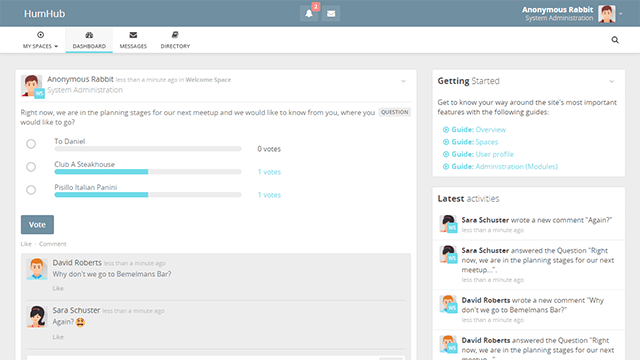
Yii Framework is our rock solid foundation and provides us with numerous well designed features already out of the box. Especially the flexibility in form of modules or the event concept, perfectly match our requirements. In and above that, Yii has very active and helpful community!
Lucas Bartholemy
CEO of HumHub
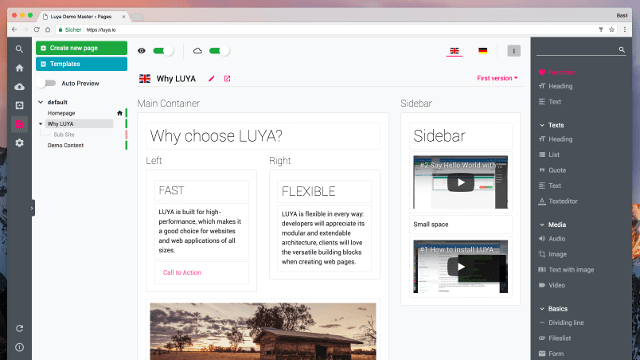
For us, the well-thought-out, solid Yii Framework is the giant upon whose shoulders LUYA is built. We are happy to be a part of the passionate Yii community.
Basil Suter
Lead developer of LUYA
支持rabbitmq消息队列,兼容thinkphp,laravel,webman,yii等多个框架
A queue client for yii with rabbitmq !
"elasticsearch client for YII2"
just
HTTP proxy action extension for the Yii framework
A flatpickr widget for yii2